Which gate you use to enter the Masai Mara National Reserve shapes your game drive experience more than most travellers anticipate. Gate choice affects how quickly you reach productive wildlife areas, what corridors are accessible from your camp, and whether the first hour of your drive is spent in transit or already watching animals.
This guide covers all six entry points with practical details on location, drive time, wildlife access, and when each gate is the right choice.
How Entry Gates Work
All six Masai Mara National Reserve entry gates operate from 6:00 AM to 6:00 PM daily. The park entry fee is paid at the gate and is valid for 12 hours from entry. The same ticket is accepted across all gates: if your game drive covers multiple gate areas within the reserve, your entry remains valid throughout.
2026 Masai Mara National Reserve entry fees:
- International adults: $80 per person per day
- International children (3-12 years): $40 per person per day
- East African citizens: KSh 840 per person per day
- Vehicle levy: additional charge applies
Many Masai Mara camps include park fees in their all-inclusive rates. Budget camps outside the reserve do not: fees are paid separately at the gate on each game drive day, which adds meaningful cost over a multi-day stay.
Sekenani Gate: The Most-Used Entry Point
Location: Southeast boundary, approximately 270 km from Nairobi via the Narok-Mai Mahiu road
Drive time from Nairobi: 4.5 to 5.5 hours in good conditions
Sekenani is the most commonly used Masai Mara entry gate, and the practical reasons are straightforward. Tarmac road from Nairobi reaches closer to Sekenani than any other gate. The final unpaved section is shorter and better maintained. The gate area has more developed support infrastructure: petrol stations, accommodation near the village, and clear signage.
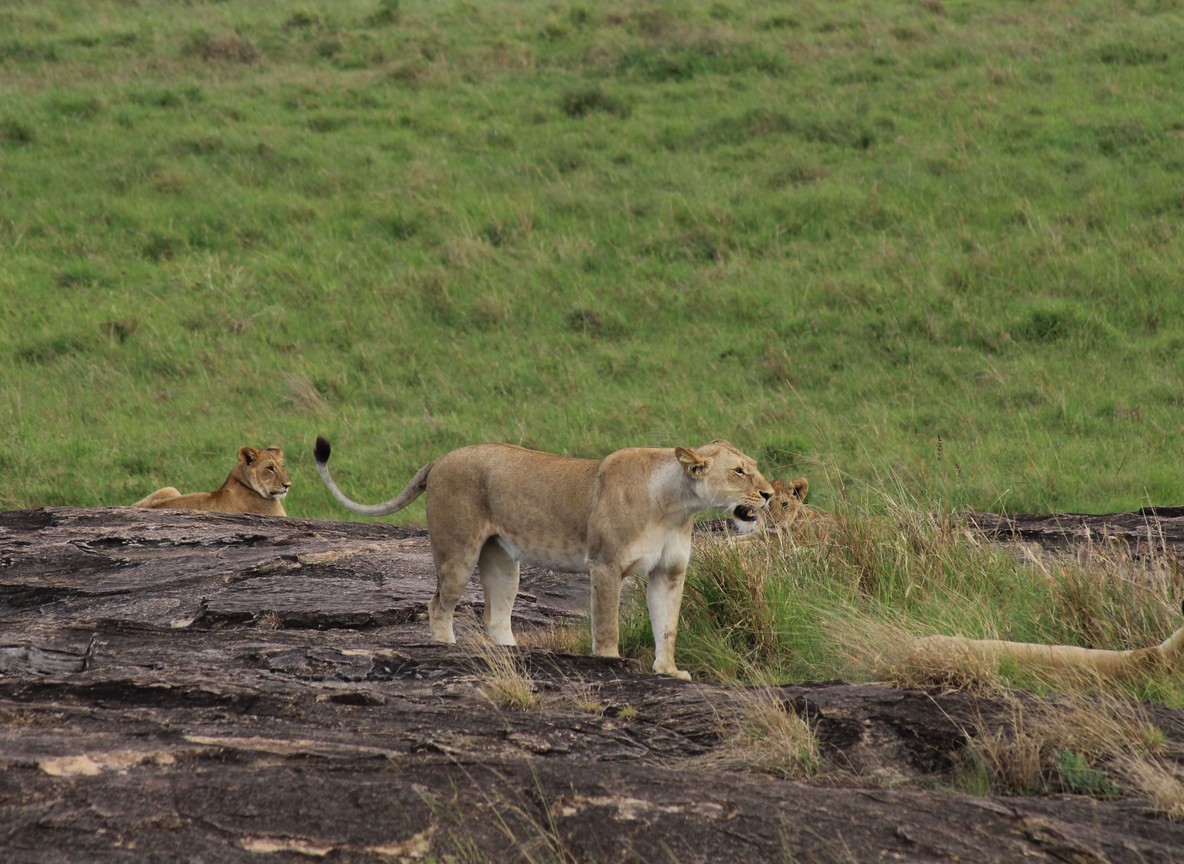
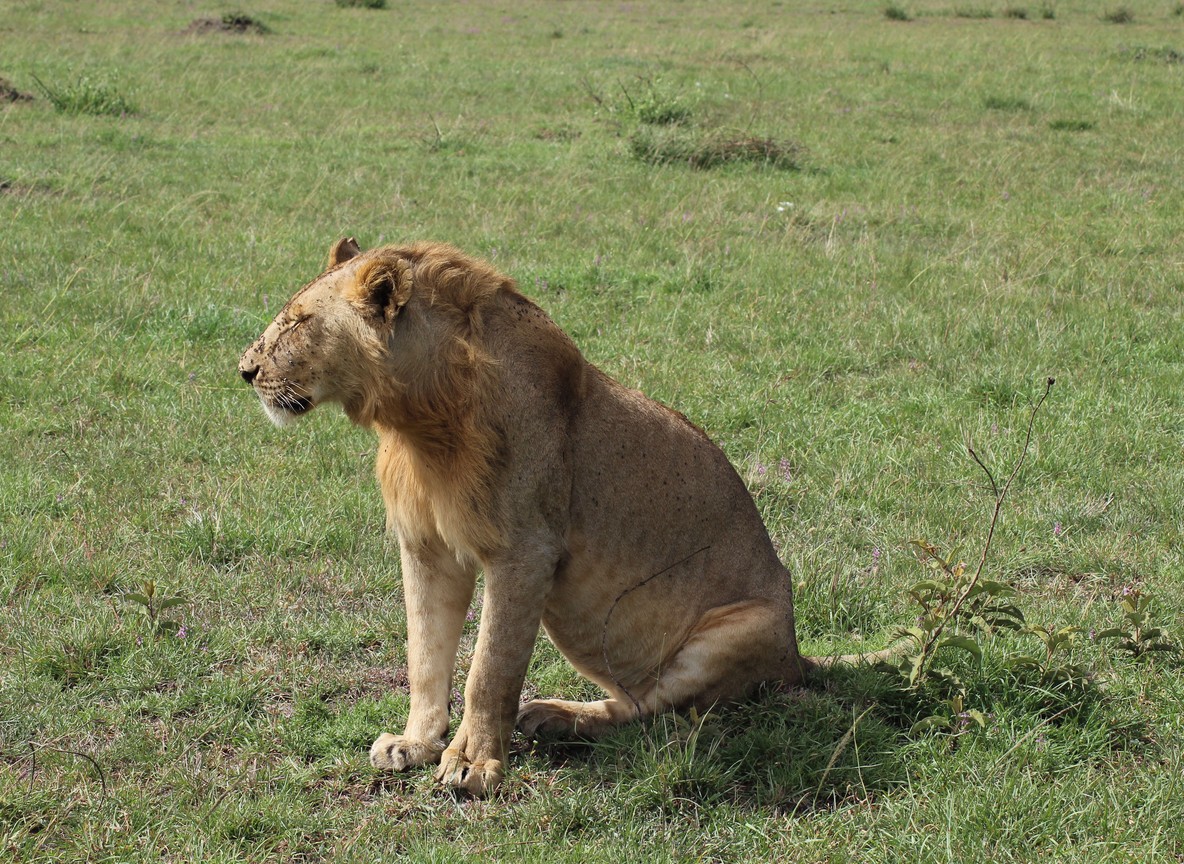
Sekenani gate gives direct access to the Sekenani wildlife corridor: prime big cat territory. Lion prides, cheetahs, and the Masai Mara’s most-photographed leopards operate in the Sekenani to Talek zone of the reserve.
Best for: First-time visitors, travellers arriving from Nairobi with limited time, camps in the southeastern and central reserve areas.
Talek Gate: Central Location, Productive Wildlife Corridor
Location: East boundary of the Masai Mara National Reserve, Talek River area
Drive time from Nairobi: 5 to 5.5 hours via Narok
Talek gate sits at the heart of one of the Mara’s most consistently productive game drive zones: the Talek River drainage. This corridor is known for year-round big cat sightings – leopards in the fig trees and riverine woodland, cheetah families on the open plains east of the river, and lion prides hunting along the Talek banks.
Talek gate also gives the most direct access to Leopard Gorge, one of the most consistently reliable leopard sighting areas in the entire reserve. For safaris where leopard photography is a priority, a camp positioned near Talek gate represents a significant advantage.
Trade-off: The road to Talek gate from Narok deteriorates in the rainy season. A 4×4 vehicle is essential after April rains begin.
Best for: Wildlife photographers prioritising big cats, particularly leopards. Camps in the Talek River area, including Mara Intrepids.
Ololaimutia Gate: Budget Access to the Reserve
Location: East boundary, south of Talek gate
Drive time from Nairobi: 4.5 to 5.5 hours
Ololaimutia gate is primarily used by budget travellers and domestic Kenyan visitors staying at camps clustered just outside the reserve boundary in the Ololaimutia village area. The gate is convenient and accessible.
The practical challenge: the wildlife areas immediately accessible through Ololaimutia gate are less consistently productive than the Sekenani or Talek zones for big cat sightings. Most Ololaimutia game drives require driving deeper into the reserve to reach prime territory, adding 30 to 60 minutes of transit compared to more centrally positioned gates. The gate also handles the highest volume of day-visitor traffic during peak season, creating congestion at entry in July and August.
Best for: Budget travellers, domestic tourism, and short day visits to the reserve. Not the best choice for wildlife photography priorities or multi-day itineraries where game drive time is the primary value.
Musiara Gate: The Premium Big Cat and Migration Gateway
Location: North boundary of the Masai Mara National Reserve, adjacent to the Musiara Marsh
Drive time from Nairobi: 5.5 to 6 hours via Narok and northern approach roads
Musiara gate gives direct access to the Musiara Marsh, widely regarded as the richest single wildlife corridor in the entire Masai Mara National Reserve. The marsh holds semi-permanent water year-round, which concentrates buffalo herds, elephant families, and a permanent hippo community alongside the reserve’s most famous lion prides.
The BBC Big Cat Diary series – which introduced many international viewers to the Masai Mara – was filmed almost entirely in the Musiara area. Governors’ Camp, one of Kenya’s most iconic safari properties, sits directly adjacent to Musiara gate, giving its guests immediate game drive access to the marsh wildlife from arrival.
For the Great Migration, Musiara gate also provides direct access to the northern Mara River crossing points where wildebeest crossing events are concentrated in July and August.
Trade-off: The longer drive from Nairobi makes Musiara gate impractical for camps in the southern or eastern reserve. Most guests here are fly-in safari travellers who skip the road journey entirely.
Best for: Guests at Musiara-area camps. Fly-in safari travellers prioritising the highest-density big cat and migration access in the reserve.
Oloololo Gate: The Mara Triangle and Migration Specialist
Location: Northwest boundary of the Masai Mara National Reserve, giving access to the Mara Triangle and Oloololo Escarpment area
Drive time from Nairobi: 6 to 7 hours – the longest ground journey of all entry gates
Oloololo gate is the entry point for the Mara Triangle: the western section of the Masai Mara managed by the Mara Conservancy (separate from the Narok County Council that manages the eastern reserve). The Mara Triangle is known for:
- Significantly lower vehicle numbers due to stricter conservation management
- Direct access to the main Mara River Great Migration crossing points
- The Oloololo Escarpment: dramatic elevated terrain with views across the reserve toward Tanzania
- Consistent lion and cheetah sightings on the short-grass Triangle plains
For travellers whose primary goal is witnessing Great Migration river crossings, Oloololo gate access to the Mara Triangle is the most important logistical consideration. The most dramatic Mara River crossings of July to October are concentrated in this zone.
Trade-off: 6 to 7 hours by road from Nairobi. Most Mara Triangle camps – Mara Serena, Governors’ Migration Camp, Angama Mara – are accessed by fly-in. Kichwa Tembo, also in the Triangle near this gate, is a rare exception that’s reachable by road rather than air. Ground transfer guests face a full travel day.
Best for: Fly-in safari travellers prioritising the Great Migration, photographers wanting low vehicle counts at sightings, luxury travellers at Mara Triangle camps.
Sand River Gate: The Remote Southern Entry
Location: South boundary of the Masai Mara National Reserve, along the Tanzanian border
Drive time from Nairobi: Approximately 6 hours, longest southern route
Sand River gate is the least-used Masai Mara entry point and gives access to the southern reserve: the same migration corridor that wildebeest use when crossing from Tanzania northward into Kenya in late June and July. For the Great Migration’s initial crossing from Tanzania, this gate puts game drives at the front of the movement before herds spread across the northern reserve.
The gate is remote, minimally supported, and used primarily by camps in the southernmost reserve area and by cross-border itineraries combining the Serengeti with the Masai Mara.
Best for: Experienced travellers on cross-border itineraries (Serengeti to Masai Mara combination). Not suitable for standard Nairobi-based safari packages.
All Six Gates at a Glance
| Gate | Distance from Nairobi | Best For | Season Access | Wildlife Highlight |
|---|---|---|---|---|
| Sekenani | 270 km / 5 hrs | First-timers, all-rounder | Year-round | Big cats, all species |
| Talek | 280 km / 5.5 hrs | Leopard photography, big cats | Year-round (4×4 wet season) | Leopard Gorge |
| Ololaimutia | 265 km / 5 hrs | Budget, day visits | Year-round | General wildlife |
| Musiara | 300 km / 6 hrs | Luxury camps, fly-in | Year-round | Marsh lions, migration crossings |
| Oloololo | 330 km / 6.5 hrs | Migration, Mara Triangle | Dry season preferred | Great Migration river crossings |
| Sand River | 350 km / 6.5 hrs | Cross-border itineraries | Peak season only | Initial migration entry |
Explorer Notes: Practical Gate Planning
Ground vs fly-in: For Musiara gate and Oloololo gate specifically, the road journey from Nairobi is long enough that most itineraries use Wilson Airport to fly into a Mara airstrip and be driven from there. This adds cost but saves a full travel day each way.
Wet season road conditions: Talek gate road from Narok becomes challenging in April and May. Sekenani is the most reliable wet-season ground transfer option. Confirm road conditions with your camp before travel if visiting April-June.
Park fees at gate: If your camp rate does not include park fees, confirm the exact payment process before arrival. Some camps handle fee payment on behalf of guests; others expect guests to pay at the gate directly.
Gate queues in peak season: In August especially, Sekenani and Ololaimutia gates can develop morning queues. Camps that include park fees often have documentation ready that speeds this process.
What to Read Next
Gate choice connects directly to camp location. The guide to inside vs outside reserve camps in the Masai Mara explains how your camp position affects game drive access independently of which gate you use.
Every trip described here can be tailored: dates, budget, camps, and pace built around you.
Get a Personalised SafariFurther reading
More safari planning resources
- Nairobi to Maasai Mara route guide from Valley Safaris
- Masai Mara destination guide on FindMySafari
- Interactive Maasai Mara map from Valley Safaris
- Wildebeest migration route map from Valley Safaris